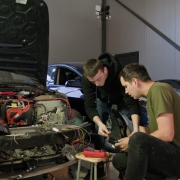

Why Having a Regular Auto Repair Shop Improves Repair Outcomes
Having a regular auto repair shop can make maintaining your vehicle more straightforward and consistent. When technicians regularly service the same vehicle, they can become familiar with its maintenance history, recurring concerns, and overall condition. This familiarity may help them identify changes that could otherwise go unnoticed.
A trusted auto repair shop can also keep track of routine services, such as oil changes, brake inspections, tire services, and other recommended maintenance. In this article, we will explore how an ongoing relationship with the same repair provider can support better communication, maintenance planning, and repair outcomes.
Improve Communication and Service History
When you return to the same auto repair shop, you do not have to start from scratch every time your vehicle needs attention. Technicians may already have records of previous repairs and recommendations, giving them useful background when diagnosing a new concern.
Consistent communication can also make it easier to discuss unusual noises, warning lights, handling changes, or other symptoms. A technician who understands your vehicle’s history may have more context when evaluating these concerns and determining what should be inspected.
Support More Informed Repair Decisions
Choosing a consistent auto repair shop can help you make maintenance and repair decisions with more information. Instead of treating every issue as an isolated event, technicians can consider previous services and the vehicle’s broader maintenance needs.
This can be particularly important as vehicles age or experience more significant damage. According to CCC Intelligent Solutions, the percentage of vehicle repair claims classified as a total loss reached an industry-high 23.1% in 2026. When repairs are more complex, having an established repair history can provide valuable context for evaluating the vehicle’s condition and available options.
Make Preventive Maintenance Easier
Regular visits to the same auto repair shop can encourage a more proactive approach to vehicle care. Technicians may identify worn components or maintenance needs before they develop into larger problems. Following recommended service intervals can also help you stay aware of what your vehicle may need next.
Preventive maintenance does not guarantee that unexpected breakdowns will never happen, but it can help address known concerns before they become more disruptive or expensive.
Create a Long-Term Maintenance Partnership
A dependable auto repair shop can become a valuable part of your vehicle ownership routine. Rather than searching for a provider whenever a problem appears, you have an established place to turn for inspections, maintenance, diagnostics, and repairs.
Maintaining a relationship with a reliable auto repair shop can provide continuity, clearer communication, and a better understanding of your vehicle over time. Consistent service may make it easier to monitor developing issues and plan necessary repairs.
If you are looking for dependable vehicle maintenance and repairs, contact Melton Automotive today to schedule your next service.